
About Program
Electrical Engineers are much in demand in India. In the recent years, from house to companies everywhere there is a necessity of electricity to function, offering numerous opportunities to electrical engineers. These engineers can work in atomic power plants, hydel or thermal power plants. Job opportunities are ample in both private and public sectors like railways, civil aviation, electricity board and utility companies, electrical design, and consultancy firms and all types of manufacturing industries.
Eligibility
Eligibility Criteria
- Matric from a recognized Board/University with minimum 35%.
- Admission as per guidelines issued by AICTE, New Delhi and Board of Technical Education, Jodhpur from time to time.
Eligibility for admission into 2nd Year Diploma (Lateral Entry )
- 12th Science Vocational/Technical
- 10+(2 year ITI) with appropriate specializations
- 10+2(PCM) from Board of Secondary Education, Rajasthan, Ajmer or Equivalent
| Relevant Branches of ITI | Eligible for Diploma in |
|---|---|
| Electrician, Mechanic (Radio & T.V.), Electronics Mechanic, Mechanic (Medical Electronics), Information Technology & Electronic System Maintenance, Electronics, Electrical, Wireman, Instrument Mechanic | Electrical Engineering |
Career Opportunites
Diploma in Electrical Engineering is a highly promising field with significant opportunities in today’s digital era. With every industry moving towards automation, smart systems, and renewable energy, the demand for skilled Electrical Engineers has increased substantially. The field offers excellent career prospects, not only in core electrical sectors but also in industries such as IT, manufacturing, power generation, and telecommunications. Many companies hire Electrical Engineers along with graduates from other branches like Mechanical and Electronics, as electrical expertise is essential in various industries. However, those who have pursued a diploma in Electrical Engineering have an advantage due to their specialized technical knowledge and hands-on skills.
Electrical Engineering involves innovation and problem-solving, making it a great choice for students who have a logical and analytical mindset. This field offers well-paying jobs both in India and abroad, with opportunities in government and private sectors. Additionally, many Electrical Engineers work as freelancers or start their own ventures, providing services in electrical design, maintenance, and automation.
Fee Structure
Department Highlights
Laboratories
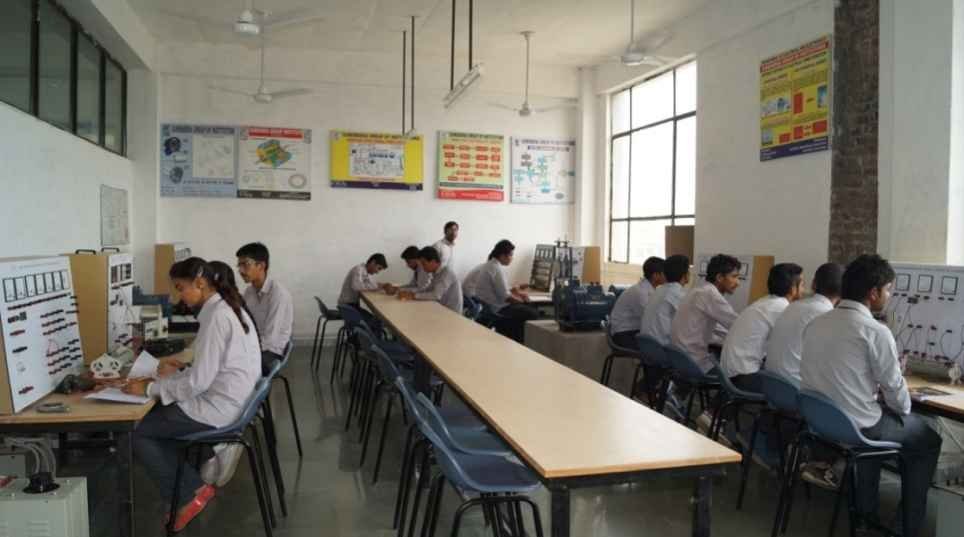
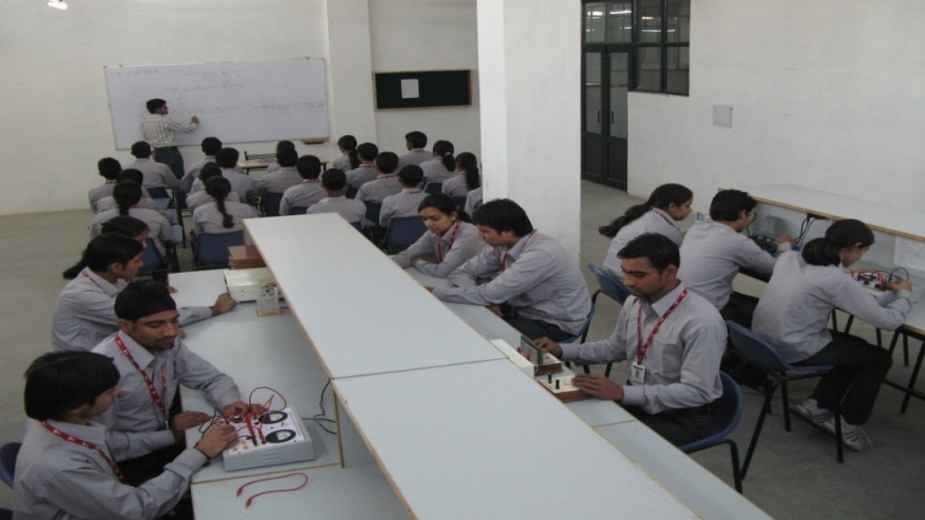
The Electrical Engineering department comprises of following labs:-
- Basic electrical workshop
- Electrical Machine Lab
- Electrical Circuit Analysis Lab
- Analog Electronics Lab
- Power electronics Lab
- Digital Electronics Lab
- Electrical Measurement Lab
- Control System Lab
- Microprocessor Lab
- Electric Drives Lab
- Power System Protection Lab
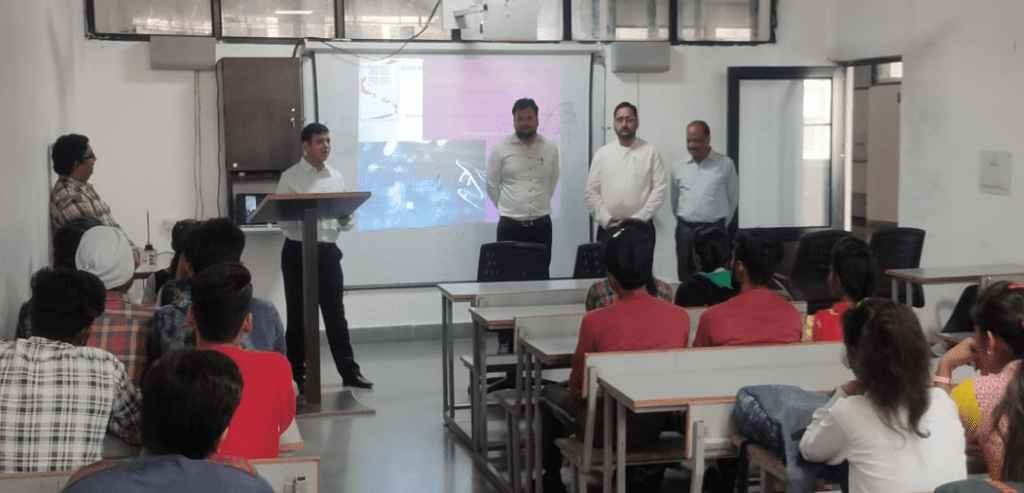
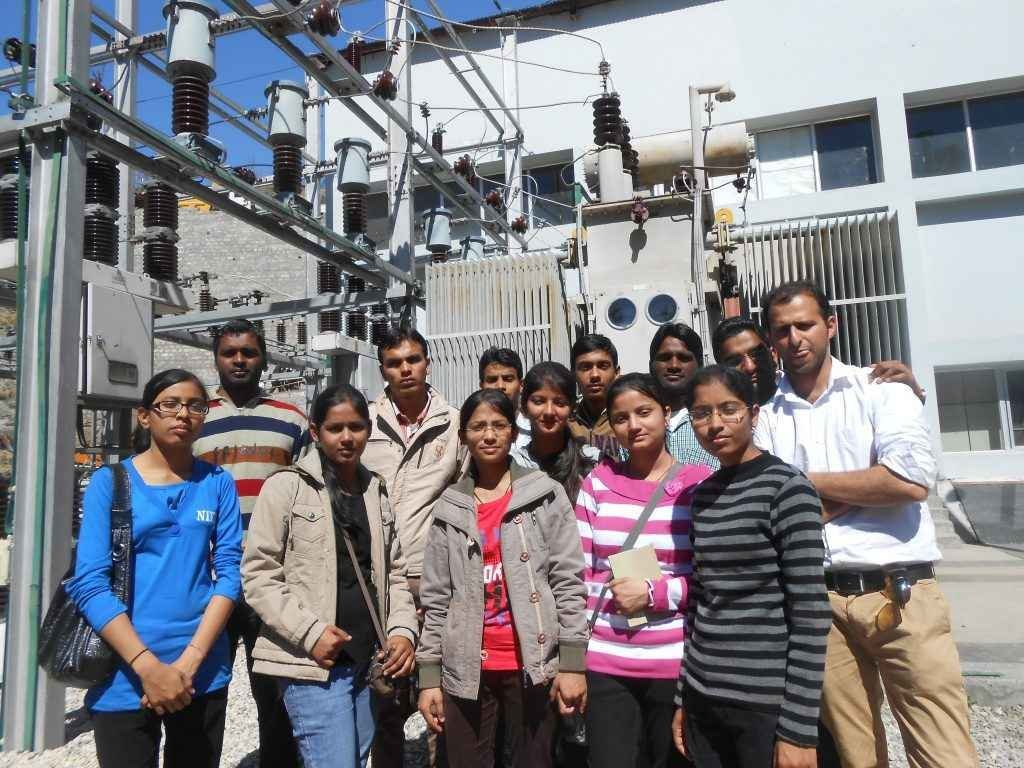
Seminars / Workshops / Industrial Visits / Guest Lectures / Conferences
A Graduate degree program is demanding hence arises a dire need to conduct extra activities apart from lectures, tutorials and laboratories. Activities like Seminars / Workshops / Industrial Visits / Guest Lectures / Conferences etc. help the students to –
- Encourage Dialogue
- Receive Fresh Perspective
- Develop New Ideas
- Improve Skills
- Create Network for Career

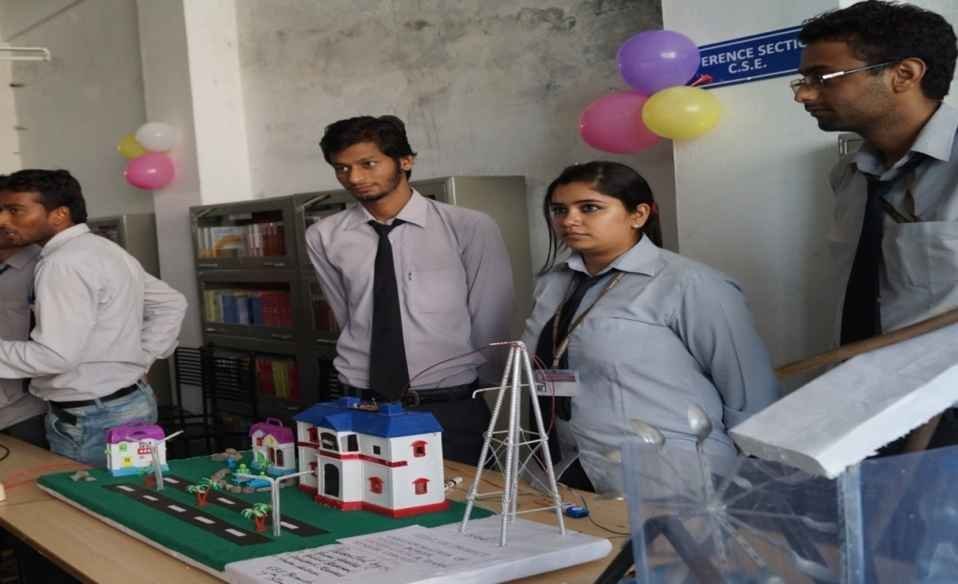
Projects / Survey Camps
Project-based learning (PBL) is a student-centered pedagogy that involves a dynamic classroom approach in which it is believed that students acquire a deeper knowledge through active exploration of real-world challenges and problems. Students learn about a subject by working for an extended period of time to investigate and respond to a complex question, challenge, or problem. It is a style of active learning and inquiry-based learning. PBL integrates knowing and doing. Students learn knowledge and elements of the core curriculum, but also apply what they know to solve authentic problems and produce results that matter.